
Imagine walking into your dream home and feeling instantly at ease? The air feels fresh, sunlight dances off warm hardwood floors, and every room feels thoughtfully designed to make life easier and greener. Homebuyers in the U.S. are increasingly drawn to simple, down to earth eco‑friendly upgrades that don’t require futuristic tech or a construction degree to appreciate. What’s trending this year isn’t just smart gadgets, it’s the little touches that make a house more comfortable, more efficient, and more in harmony with nature.
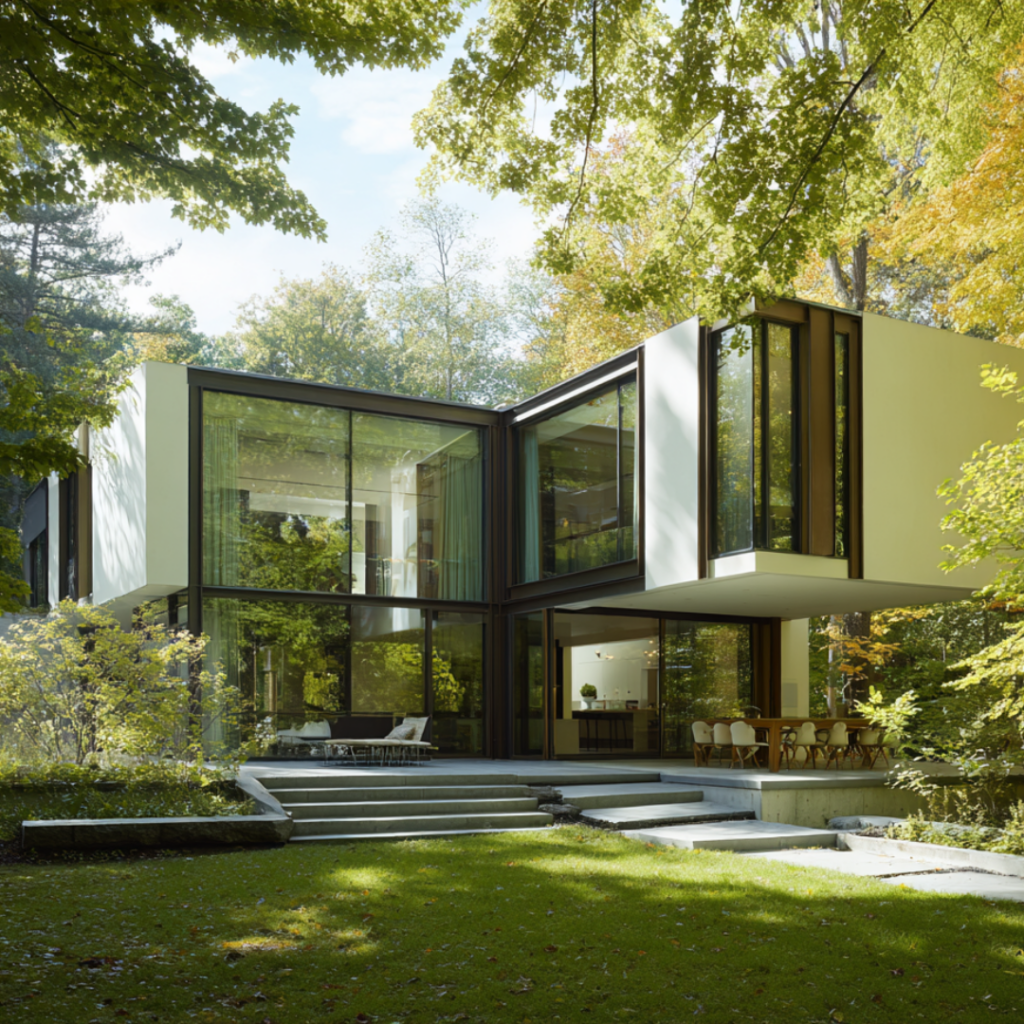
One of the most universally admired features buyers are searching for is large, well placed windows that usher in natural light and warmth. Big windows don’t just elevate the aesthetic of a home, they reduce the need for daytime lighting, brighten interiors, and help regulate indoor temperature when designed with energy efficiency in mind. Energy efficient windows with double or triple panes are especially popular because they keep heat in during the winter and out in the summer, lowering monthly heating and cooling costs and boosting comfort year‑round. Buyers are signaling that this kind of passive design matters to them, they want homes that feel good to live in while being smart about energy use.
Closely connected to that desire for sunlight and views is a focus on better home insulation. Walls, attics, and floors that hold heat in cold months and keep it out in hotter ones make a home feel cozy without overworking heating and cooling systems. Upgrading insulation is a low‑profile fix with a big payoff: better comfort, lower utility bills, and a smaller environmental footprint. Many buyers explicitly look for homes that have already invested in this kind of improvement or are eager to make the upgrade themselves.
Water saving features are another simple but impactful priority. Today’s eco‑minded buyers appreciate homes with low flow faucets, shower heads, and toilets, which reduce water waste without sacrificing performance. These fixtures help households use less water each day. A small change in design that adds up in lowered bills and environmental impact. Green landscaping, like planting native or drought resistant gardens, also piques interest because it conserves water while giving outdoor spaces a lush, natural feel with minimal upkeep.
Even the paint on the walls has evolved. Homes painted with low‑VOC (volatile organic compound) paints and finished with sustainable materials like reclaimed wood or bamboo flooring are catching buyers’ eyes because they promote better indoor air quality and reduce harmful emissions. These simple material choices can make a home feel healthier and more modern without overhauling its entire design.
And don’t underestimate the charm of LED lighting and smart designs that maximize daylight. Just switching out old bulbs for energy efficient LEDs can cut electricity use dramatically while still keeping your space bright and welcoming.
In a way, the new eco‑friendly home isn’t a futuristic castle of gadgets, it’s a place that feels light, bright, efficient, and thoughtful. Buyers in 2026 want houses that make life more joyful and less wasteful, and they’re gravitating toward homes that strike that perfect balance between comfort, curb appeal, and environmental care. With a few smart, simple upgrades, any home can become more attractive in this evolving market and much more delightful to live in.