
Is Your Next Home EV-Ready? What Myrtle Beach Buyers Should Check Before They Assume It Is
Electric vehicle ownership keeps climbing, and along with it, a new item on buyers’ checklists: can this home actually charge an EV without a major electrical project? “EV-ready” gets used loosely in listings, so it’s worth knowing what it actually requires before assuming a garage outlet is enough.
What “EV-Ready” Actually Means and What It Costs to Get There
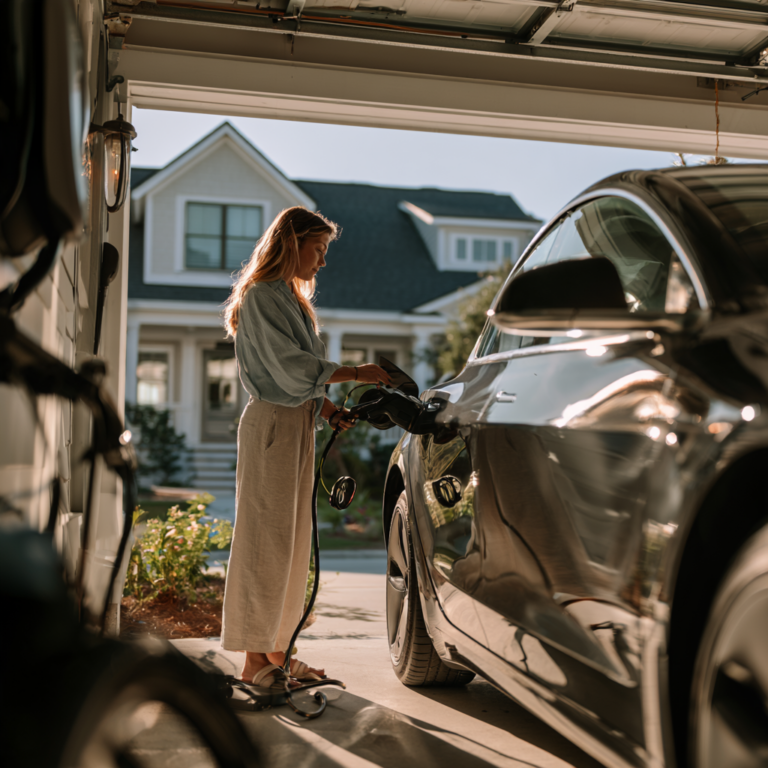
The basics. A standard 120-volt household outlet can charge an EV, but slowly often overnight for a full charge. A dedicated 240-volt Level 2 charger, similar to what powers an electric dryer, charges several times faster and is what most buyers mean when they ask if a home is “EV-ready.”
What it actually takes to install one. The cost and complexity depend heavily on a home’s electrical panel. A panel with available capacity might only need a new circuit and outlet; an older or fully loaded panel may need an upgrade first, which adds meaningfully to the cost. It’s worth asking about specifically during a showing, not assuming.
Incentives are shifting, check before you count on one. A federal tax credit covering 30% of home charger installation costs, up to $1,000, was available for installations completed through last June 30, 2026; whether it gets extended is worth confirming before budgeting around it. Several South Carolina utilities have also offered home charger rebates in the past, generally in the $200–$500 range, though program windows open and close a direct call to your utility beats relying on outdated program details found online.
For sellers. If you’ve already installed a Level 2 charger, say so specifically in the listing, “240V EV charger installed in the garage” is a concrete detail that resonates with a growing share of buyers, more than a vague mention of “electrical upgrades.”
For buyers. If EV charging matters to you, ask about panel capacity and amperage before you fall in love with a house. It’s a fixable gap, but knowing the cost upfront changes how you negotiate.
EV charging is becoming as ordinary a home feature as a garage door opener, and the buyers asking about it now are only going to be a larger share of the market over time. If you’re weighing what to add before you sell, or what to check before you buy, let’s connect and discuss for more on what’s worth asking about during a showing.
Sources:
EnergySage and Qmerit South Carolina EV incentive summaries; federal Alternative Fuel Vehicle Refueling Property Credit.