
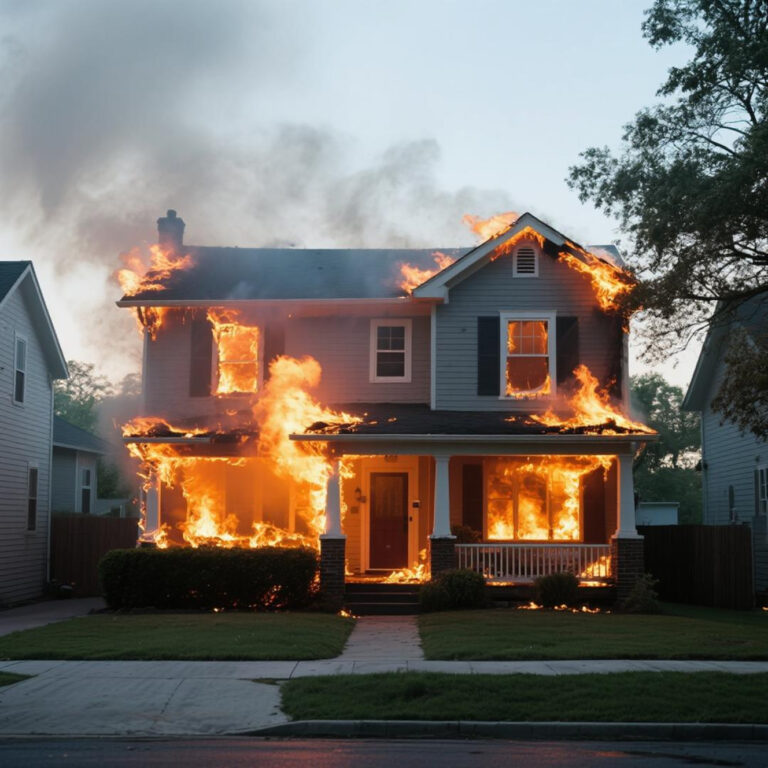
It’s impossible to measure what a wildfire truly takes. For thousands of California families, it’s more than a home—it’s a lifetime of memories reduced to ash. Photo albums, childhood backyards, plans for the future—all gone in a flash.
This past January, wildfires didn’t just consume neighborhoods. They unraveled lives, causing over $164 billion in damages. But for many, the greatest blow wasn’t from the flames. It was from the fine print.
Homeowners discovered—often too late—that their insurance policies fell short. Coverage gaps, high deductibles, and long delays meant the road to recovery was harder than the fire itself.
“We know there are going to be fires every year. We don’t need a forecast—we need to be prepared.” — Darcy L. Coleman, Project Recovery
Prevention Begins in the Forest
Protecting homes isn’t enough. California’s forests—dense with dry brush and dead trees—have become tinderboxes. Without regular maintenance like controlled burns, brush clearance, and forest thinning, the risk only grows.
This kind of year-round forest management requires consistent funding and coordination between state and local agencies. Prevention isn’t optional anymore—it’s the first line of defense.
Reform the FAIR Plan—Before It’s Too Late
California’s FAIR Plan, designed as a safety net for homeowners who can’t find private coverage, is stretched too thin. High premiums and limited protection leave many vulnerable even after doing everything right.
Project Recovery is calling for government-backed reinsurance—a move that would strengthen the FAIR Plan, reduce costs, and provide broader coverage for those who need it most.
Recovery Should Mean Rebuilding Communities
Insurance isn’t just about money. It’s about restoring lives, keeping families together, and ensuring communities survive. When insurance claims drag on or come up short, people leave—not just homes, but schools, businesses, and support systems.
“Sometimes, when there’s a disaster… something good can come out of it.” — Darcy L. Coleman
That “good” must be more than rebuilding homes—it must be building a stronger, more resilient system that protects before disaster strikes.
It’s time for a new kind of recovery—one that starts with bold insurance reform and ends with families not just surviving, but thriving.