
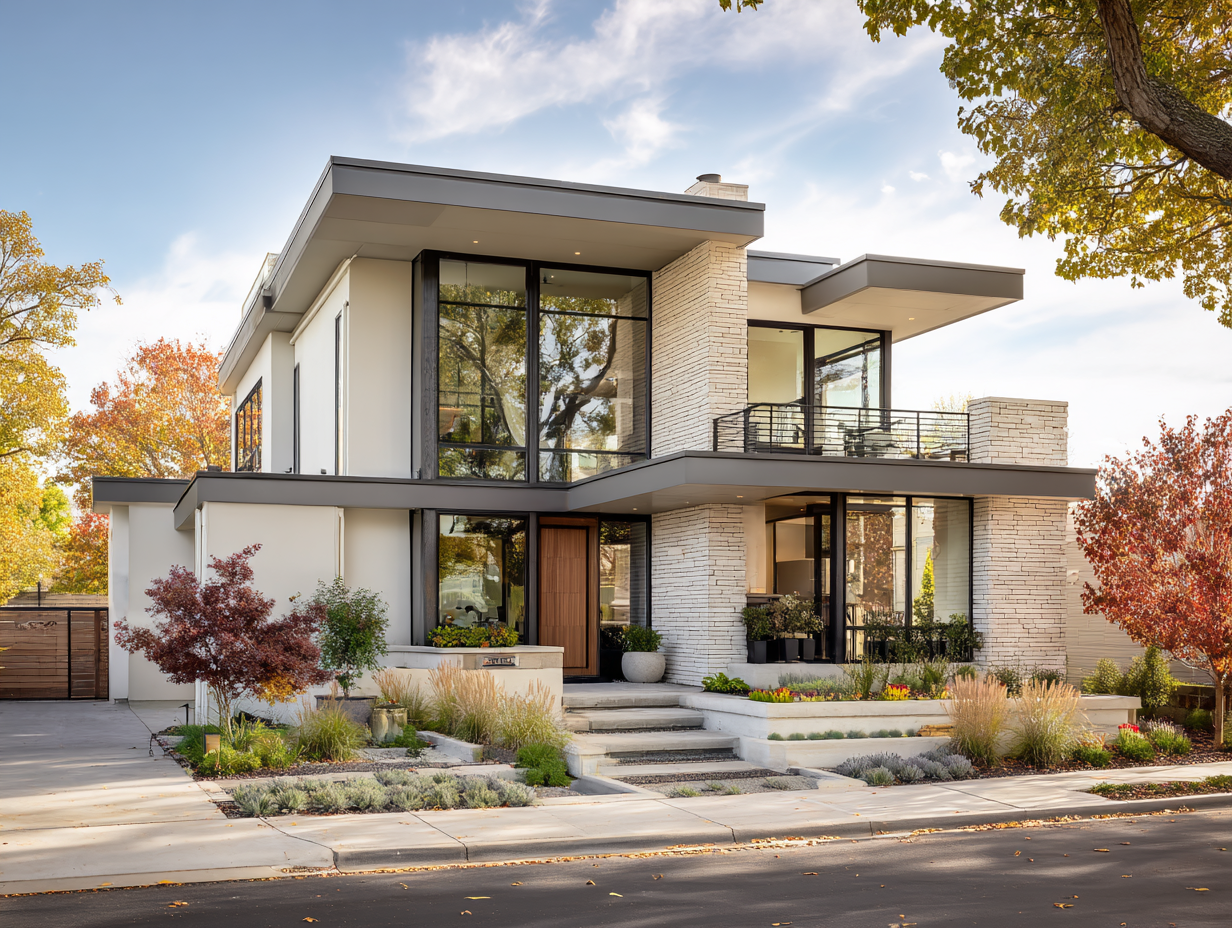
For a lot of Americans, the dream of homeownership feels like it’s drifting further away, not closer. You look at listings, run the numbers, and suddenly it hits you: owning a home isn’t just expensive, it can feel almost impossible. In some places, the monthly cost of owning can swallow nearly everything you earn, leaving little room for, well… life.
Because it’s not just about numbers on a spreadsheet. It’s about what those numbers mean for your day-to-day reality. It’s about whether you can still travel, save, enjoy weekends, or even breathe a little financially. A home is supposed to create stability not stress that follows you around like a shadow.
If you’ve tried calculating what it takes to buy a home today, you’ve probably noticed that the “ideal income” isn’t exactly comforting. Between mortgage payments, property taxes, insurance, and everyday costs, the bar has moved higher than many expected. It’s no longer just about qualifying for a loan, it’s about sustaining the lifestyle that comes with it.
But here’s where things get interesting: people aren’t giving up. They’re adapting.
Some buyers are teaming up. Friends, siblings, even long-term partners are co-buying homes, sharing both the costs and the responsibility. It’s not the traditional path, but it’s becoming a practical one. Others are getting creative with renting out a portion of their home, taking on roommates, or choosing properties that can generate income. What used to be called “house hacking” is now just… smart planning.
And then there’s a growing group of buyers who are simply rethinking where they live. Instead of chasing the most popular (and most expensive) areas, they’re looking toward cities that still offer balanced places where your income doesn’t feel like it’s constantly playing catch-up. These aren’t always the flashy locations you see on social media, but they offer something arguably more valuable: breathing room.
If you’re feeling stuck, you’re not alone and you’re not out of options. The key is to move from a place of frustration to a place of strategy. Instead of asking, “Why is this so hard?” a better question might be, “What approach actually fits my life right now?”
Because affordability isn’t just about the price of a home. It’s about how that home fits into your bigger picture, your goals, your freedom, your peace of mind.
And maybe that’s the real takeaway here. Buying a home in 2026 might not look like it did before. It might require more creativity, more flexibility, and a willingness to do things differently. But different doesn’t mean impossible.
It just means the path has changed. And if you’re willing to explore new ways of getting there, you might find that homeownership is still within reach even if not in the way you originally expected.