
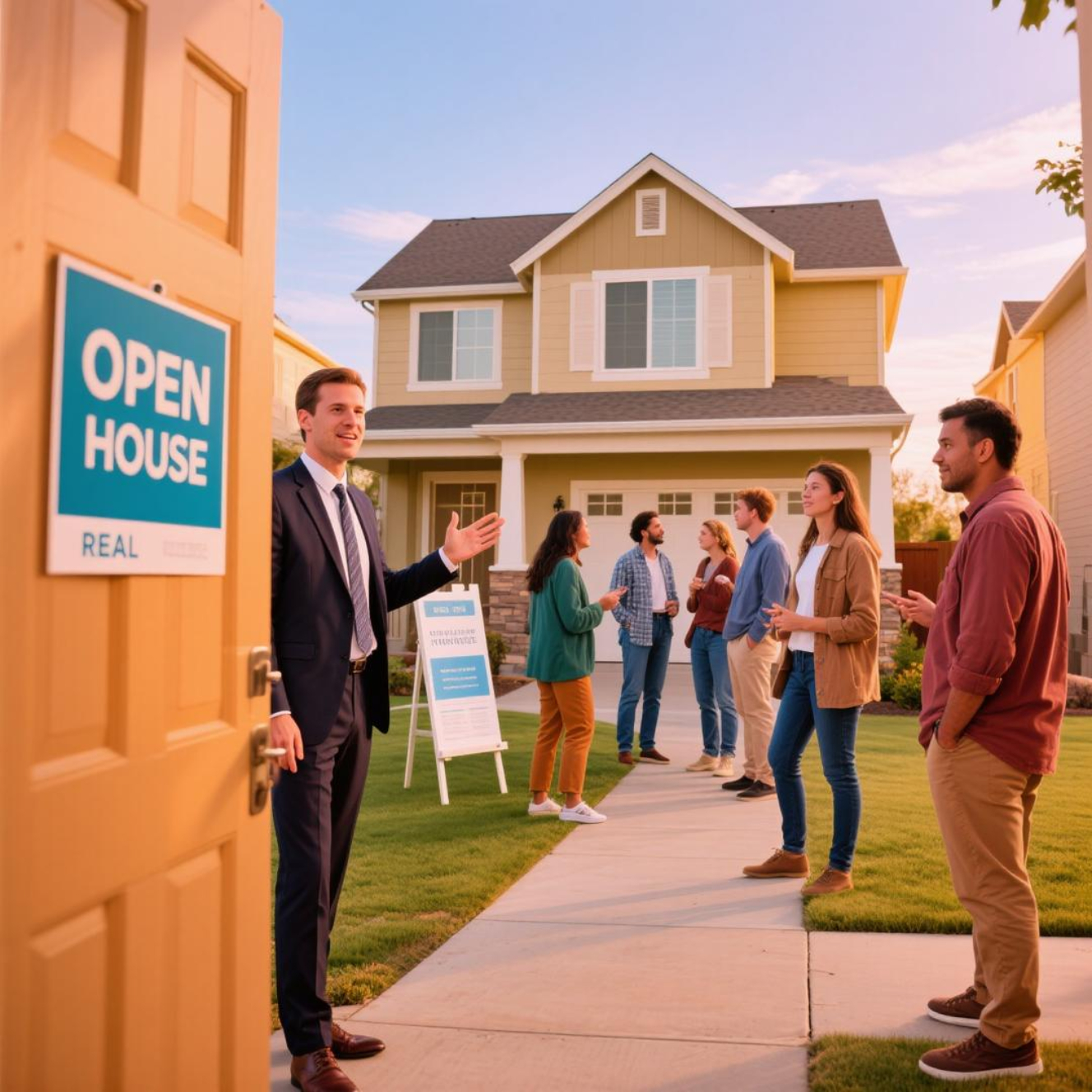
Open houses are a bit like first dates — the home is on its best behavior, the lighting is flattering, and the scent of fresh cookies lingers in the air. But just like dating, charm alone isn’t enough. If you’re buying a home, it’s crucial to look past the staging and spot the real story the property is telling.
This buyer’s checklist will help you walk into any open house with confidence, curiosity, and the clarity you need to make one of the biggest decisions of your life.
1. Curb Appeal: First Impressions Count
You don’t need a landscaping degree to assess curb appeal. Ask yourself:
Is the exterior well-maintained (paint, roof, gutters)?
Any visible cracks in the foundation or driveway?
How’s the neighborhood? (Walk around. Listen. Look.)
Pro Tip: A great house in a bad location is still a bad investment. Consider traffic, safety, and proximity to schools, stores, and your workplace.
2. Floor Plan & Flow: Does It Feel Right?
A good layout isn’t about square footage — it’s about how the space works for your lifestyle.
Do rooms flow naturally from one to the next?
Is there enough privacy between bedrooms and common areas?
Does it support how you actually live (e.g., working from home, entertaining, etc.)?
Remember: You can paint walls, but it’s expensive to move them. A bad layout is hard to fix.
3. Natural Light & Ventilation
Pay attention to how sunlight enters the home at different angles. A bright home feels bigger and more welcoming — but also:
Check window direction (South-facing often brings in great light)
Can windows be opened easily?
Are there signs of condensation or mold?
Check on a cloudy day if possible. That’s when a home’s lighting (or lack of it) is most obvious.
4. Storage Space: More Than Just Closets
People often overlook this, only to later discover there’s nowhere to stash the vacuum cleaner.
Are closets deep and wide enough?
Is there a garage, attic, or basement?
Could that guest room closet handle your winter coats and your shoe addiction?
Pro Tip: Open every door. Storage isn’t a luxury — it’s a necessity.
5. Signs of Water Damage or Structural Issues
This is where we trade cozy vibes for detective mode. Keep an eye out for:
Musty smells or recent paint jobs in odd spots
Stains on ceilings, near windows, or baseboards
Warped floors or cracks in walls
Bring a flashlight. Yes, really. Some flaws hide in corners or under sinks.
6. The Kitchen: Heart of the Home
Even if you’re not a gourmet chef, you’ll use your kitchen every day.
Is there enough counter space and storage?
How old are the appliances?
Are the finishes durable or just pretty?
Pro Tip: Open drawers, cabinets, and test the water pressure at the sink. Don’t be shy — you’re buying it, not babysitting it.
7. The Bathroom Test
No need to be weird about it — just thorough.
Flush toilets. Run the faucets. Check for leaks.
Look under sinks for mold or soggy wood.
Is there ventilation or a working exhaust fan?
Pro Tip: Water issues are among the most expensive to fix — catch them early.
8. Noise Levels & Smells
Sounds and smells can tell you a lot about a home.
Can you hear the neighbors? Traffic? Barking dogs?
Any lingering cigarette smoke or pet odors?
Trust your nose. If it smells “off,” it probably is.
9. Ask the Right Questions
Don’t just rely on what you see — ask the listing agent or seller:
Why is the home being sold?
How long has it been on the market?
Have there been any major repairs or renovations?
What’s included in the sale?
Pro Tip: Sellers are legally required to disclose known issues — but only if you ask the right questions.
10. Bring Your Own Checklist (and a Phone)
It’s easy to forget what you saw in House #3 after touring House #7. Bring:
A printed or digital checklist
A phone or camera to take notes and photos (with permission)
A trusted friend or agent to give a second opinion
Photos help you remember details — and avoid falling for emotional staging.
Final Thoughts: Don’t Fall in Love Too Fast
It’s easy to fall for a home that “feels right.” But remember — buying a home is part heart, part head. Use this checklist to slow down, look deeper, and ask the right questions. And most importantly? Never skip the home inspection.
Let this checklist be your secret weapon. Save it, share it, and walk into your next open house with confidence and clarity. The perfect home is out there — and now, you’re ready to spot it.