
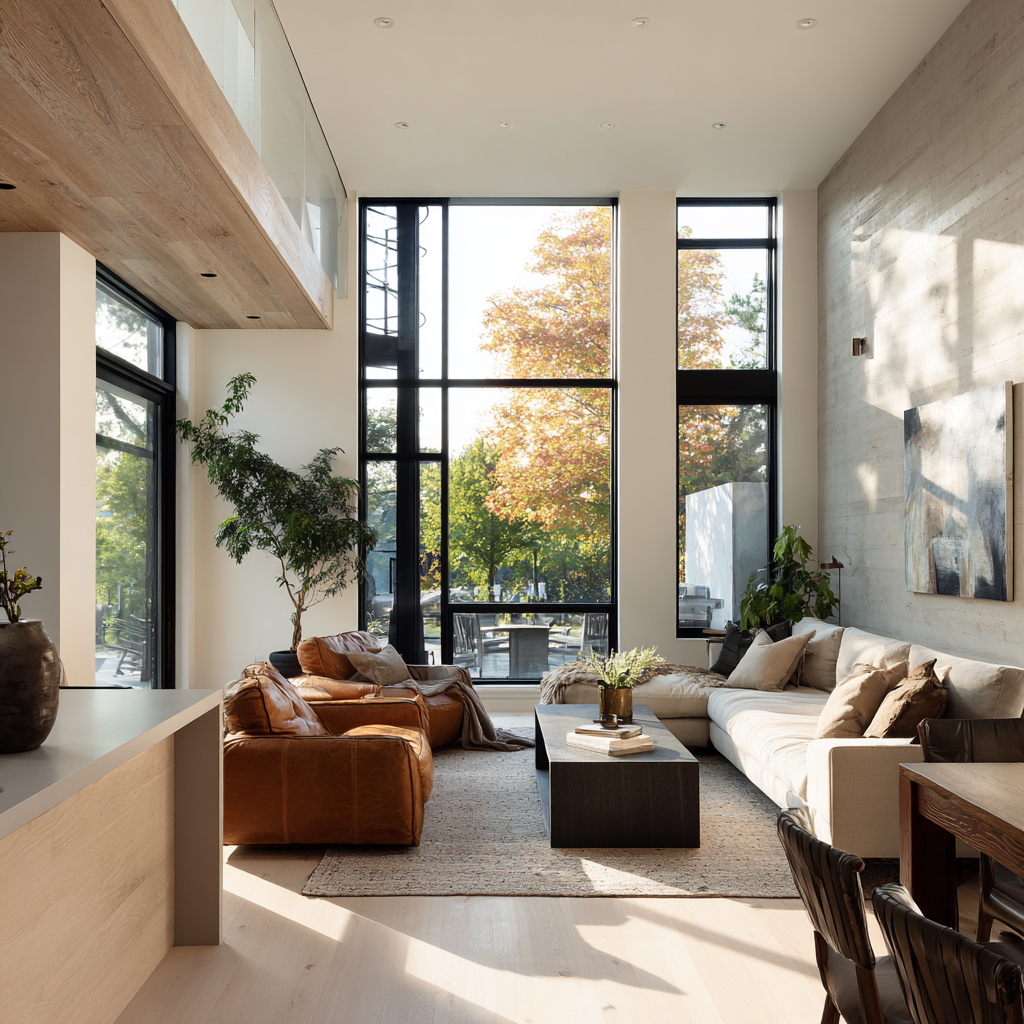
There was a time when buying a home felt almost like solving a math problem. You’d look at the size, calculate the price per square foot, compare a few options and make a decision that made sense on paper. Logical. Straightforward. Practical.
But today, buyers are choosing with their hearts. Step inside a home now, and the first thing people notice isn’t always the numbers, it’s the feeling. Does the space feel calm? Inviting? Full of light? Can you picture your mornings there, your routines, your life unfolding in a way that actually feels good?
That emotional connection is becoming the deciding factor. Design plays a huge role in this shift. Clean layouts, intentional spaces, and thoughtful details are no longer “nice to have” they’re expected. Natural light, especially, has become a kind of silent deal-maker. A bright, airy home doesn’t just look better; it feels better. And buyers are paying attention to that more than ever.
But here’s where it gets even more interesting: that emotional pull is starting to overlap with something deeper sustainability. Features like energy-efficient windows, solar panels, better insulation, and smart home systems aren’t just practical upgrades anymore, they contribute to that overall feeling of comfort and peace of mind. A home that stays cool without overworking the air conditioning, one that lowers utility bills, one that feels aligned with a more conscious lifestyle… that’s powerful.
For sellers, this shift changes everything.Staging and presentation aren’t optional, they’re essential. You’re no longer just listing a property; you’re creating an experience. The way your home looks, feels, and even flows from room to room can make the difference between someone scrolling past or stopping and thinking, “This is it.”
For buyers, though, there’s a small catch. Homes that hit that emotional sweet spot? They don’t go unnoticed. Even in a market that’s slowed down in some ways, properties with strong design, great lighting, and thoughtful features including sustainability tend to attract attention quickly. You might find yourself competing, not because of sheer demand everywhere, but because certain homes simply stand out more than others.
Real estate is becoming less about raw data and more about lived experience. It’s about how a home supports your lifestyle, your well-being, and even your values. It’s about walking into a space and feeling something you can’t quite measure…..but instantly recognize, Because at the end of the day, the homes people choose aren’t always the ones that look best on paper.
They’re the ones that feel like they already belong to them.