
What to Know Before You Buy in South Carolina’s Oldest Beach Resort
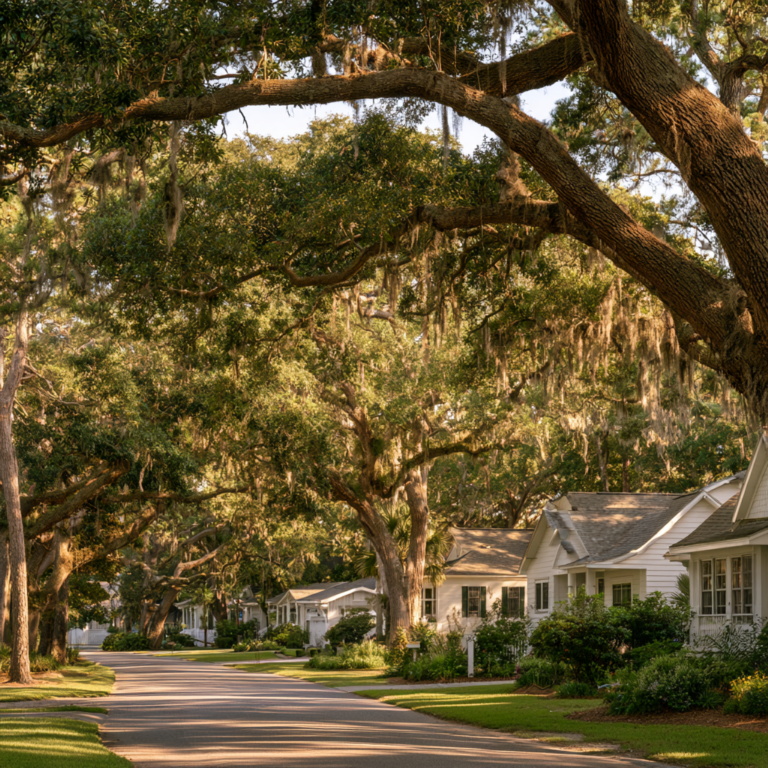
About 25 miles south of Myrtle Beach, Pawleys Island is known for its preserved coastal charm and intentionally low-profile approach to development. Local zoning regulations help maintain that character by limiting building heights to 35 feet above the design flood elevation and restricting multi-family development. As a result, the island does not have the high-rises, boardwalks, or large-scale tourist attractions commonly found in some other coastal destinations. For buyers who are drawn to the Grand Strand but prefer a quieter, less commercialized setting, these characteristics are often part of Pawleys Island’s appeal.
The Trade-Offs Every Pawleys Island Buyer Should Understand
Flood risk is real and worth planning around, not avoiding. The entire town sits within flood zones designated by FEMA the Federal Emergency Management Agency, the federal agency that maps flood risk nationwide and runs the National Flood Insurance Program as either AE or VE, both considered high-risk. Zone AE marks areas with a 1% annual chance of flooding from standing or slow-moving water; Zone VE carries that same 1% annual risk plus expected wave action and storm surge (the “V” stands for velocity), which is why building requirements and insurance costs tend to run higher there. Stacked over the life of a loan, that 1%-a-year risk works out to roughly a 26% chance of flooding at some point during a typical 30-year mortgage. That’s not a reason to avoid buying here; it’s a reason to budget for flood insurance from day one and to ask specifically about a property’s flood zone designation, elevation, and flood history before making an offer.
The historic housing stock has a story. Many of the island’s original homes were built as simple, sturdily-constructed summer retreats for rice planters escaping the mainland heat, raised on brick foundations, designed for airflow rather than air conditioning. Buying one of these older homes means buying into a specific architectural style, with maintenance and renovation considerations that differ from newer construction.
Zoning protects the low-key character on purpose. The height limit and multi-family restrictions aren’t oversight, they’re intentional tools the town uses to prevent the kind of dense resort development found elsewhere on the coast. That’s a feature for buyers seeking quiet and privacy, and a limitation for anyone hoping to build large or subdivide.
Pricing reflects scarcity. With limited buildable land and tight zoning, inventory turns over slowly, and oceanfront and creekfront lots command a real premium. Buyers should expect a different negotiating dynamic here than in higher-inventory areas of Horry County.
It’s a primary home and legacy property market as much as a vacation one. Unlike some Grand Strand resort communities built primarily around short-term rental income, many Pawleys properties have stayed in the same families for generations worth keeping in mind when evaluating how a specific listing has been used and maintained. Pawleys Island isn’t for buyers chasing amenities or rental yield, it’s for buyers who want the coast the way it looked before high-rises became the default.
If that’s the fit you’re after, let’s connect and we can talk through flood coverage, zoning, and what’s currently available. I will help you compare it to other parts of the Grand Strand.