
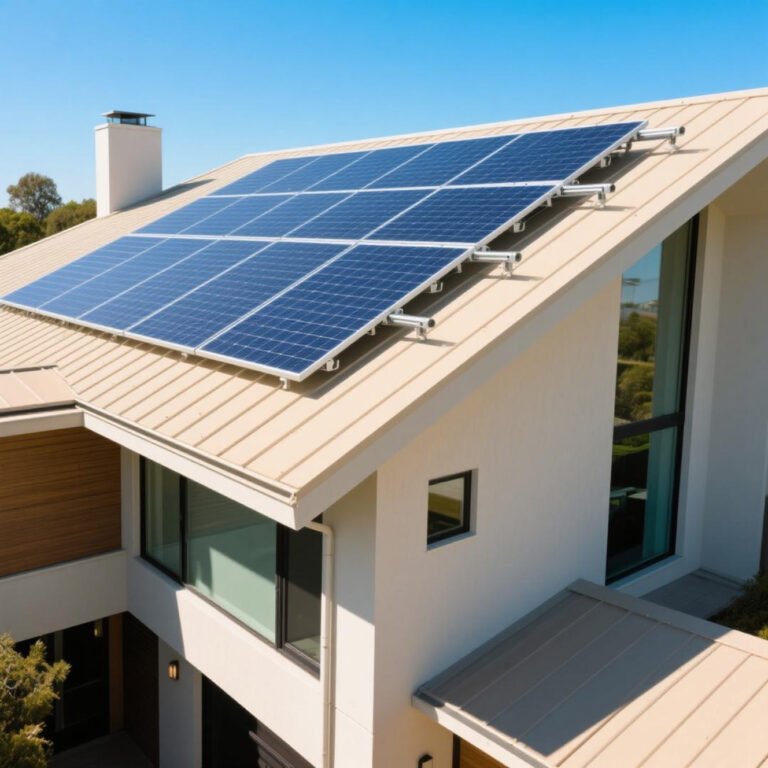
Do you ever get that feeling—like the world is shifting under your feet, but in the best way possible? Lately, I’ve been inspired by how much innovation is lighting up the sustainability space. It’s like every time I scroll through the news, there’s another mind-blowing breakthrough in clean energy—especially solar. And these aren’t just ideas on paper—they’re real, working, and changing lives.
The past year saw a massive boost in solar installations across the globe — enough to make a real impact. Compared to the previous year, the growth has been striking, signaling that the clean energy shift isn’t something off in the distance anymore — it’s happening right now.
Solar is leading the pack in clean energy growth, making up nearly half of all new renewable energy projects worldwide. But this surge goes way beyond rooftop panels. What’s really powering the momentum is a wave of behind-the-scenes innovation — from next-gen materials and energy storage to AI tools, smart energy systems, creative ways to finance it all, and designs that think about the full life cycle. In short, solar is getting smarter, more affordable, and more available to everyone.
Solar Between The Rails:
Solar panels between train tracks. Think about all the empty space between those rails—what if it could generate energy instead of just… existing? That’s exactly what some forward-thinking innovators are doing. By placing durable, low-profile solar panels in the space between the rails, they’re transforming ordinary train routes into energy-producing corridors. The beauty of this approach is that it doesn’t require additional land—just smarter use of what’s already there. It’s a seamless, space-efficient solution that combines transportation and renewable energy in one smart move. Sustainable, practical, and brilliantly innovative.
Red Onion Dye – A Natural Innovation in Solar Technology:
In an unexpected yet promising development, red onion dye is being used to enhance the durability of solar panels while reducing dependence on fossil-derived components. This plant-based alternative not only contributes to the longevity of solar installations but also supports a more sustainable manufacturing process. By moving away from petroleum-based materials, this innovation offers a cleaner, greener approach to solar panel production. What may sound like a curious use of kitchen staples is, in fact, a scientifically grounded solution pushing the boundaries of eco-friendly energy technologies.
Solar-Powered Cold Chains, Fighting Food Waste:
This one really hits home. In many warmer regions around the world—especially parts of Africa—an estimated 30% of food is lost before it even reaches the consumer, simply because there isn’t enough reliable cold storage. That’s not just food waste—it’s lost income for farmers, increased hunger, and added pressure on local food systems.
Enter solar-powered cold chains—a brilliant solution to a critical problem. By using solar energy to power refrigeration units along the supply chain, these systems help keep produce fresh from the moment it leaves the farm all the way to the market. No grid electricity? No problem. These innovations are designed for remote, off-grid areas, making cold storage more accessible and sustainable. It’s an elegant example of how renewable energy can address both climate and humanitarian challenges—one cool idea at a time.
AI-Powered Solar Farms:
Imagine a solar farm that can monitor, diagnose, and optimize its own performance—without the need for human intervention. This is no longer a futuristic concept. Thanks to advances in artificial intelligence, some solar installations are now equipped to detect faults, assess output inefficiencies, and initiate corrective measures autonomously. By identifying issues before they escalate, these smart systems significantly reduce downtime, streamline maintenance, and enhance overall energy efficiency. It’s essentially giving solar panels the ability to think—a major step forward in the evolution of renewable energy infrastructure.
Thin Solar Films:
Last but certainly not least, solar films that are thin just like human hair. Developed by pioneering companies like Active Surfaces, these ultra-light, flexible solar panels are up to 120 times lighter than conventional models. Their lightweight design eliminates many of the logistical challenges that have traditionally limited solar expansion.
This advancement isn’t just about aesthetics or convenience—it’s about making solar power more accessible, scalable, and adaptable than ever before. From urban rooftops to mobile infrastructure, these films represent a powerful shift toward a more flexible and inclusive renewable future.
Today’s innovations reveal a powerful truth: sustainability isn’t about compromise—it’s about progress. For companies, these advances aren’t just trends—they’re chances to lead, cut costs, and meet growing demand for eco-friendly practices.
Embracing sustainability means future-proofing businesses, satisfying conscious consumers, and gaining a competitive edge. This is no longer optional—it’s essential. The companies that act now will power a smarter, greener tomorrow. Let’s not just watch the change—let’s drive it.