
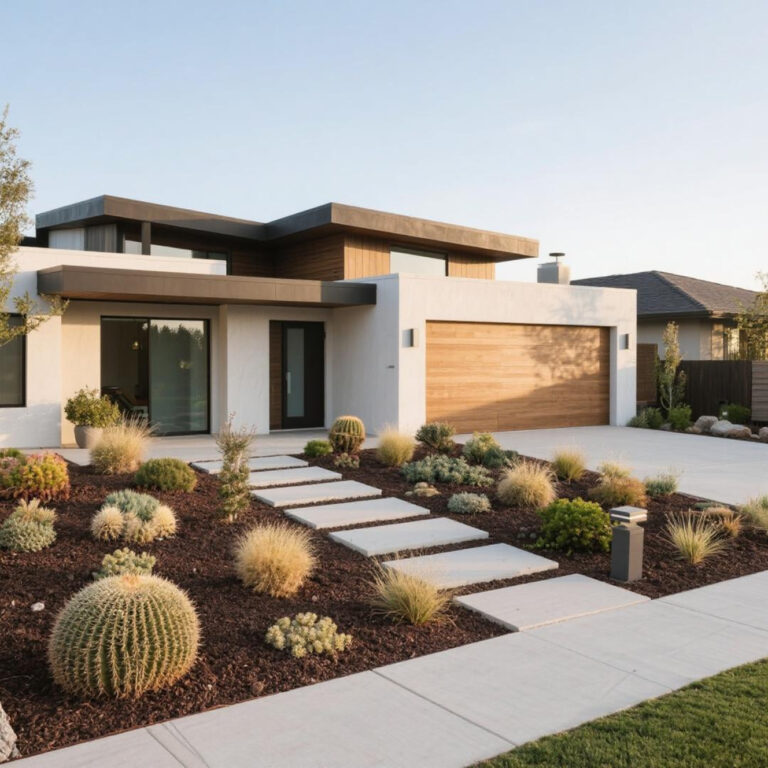
When it comes to landscaping, many of us picture a lush, green lawn stretching across the yard—a classic symbol of a well-kept home. But as concerns about water conservation and environmental impact grow, homeowners are rethinking traditional landscaping. Enter xeriscaping: a smart, sustainable approach that combines drought-tolerant plants with thoughtful design to create beautiful, low-water outdoor spaces.
Xeriscaping isn’t about sacrificing curb appeal; it’s about working with nature to build gardens and yards that thrive on less water and less maintenance. This method can lead to significant savings on water bills while reducing the time and effort spent on upkeep. According to Colorado State University, outdoor irrigation can account for over 50% of household water use in some areas, so adopting water-wise landscaping practices can have a meaningful environmental and financial impact. Beyond water savings, xeriscaping supports local ecosystems by providing natural habitats for birds and pollinators and often eliminates the need for harsh fertilizers and chemicals, as noted by the University of Georgia Extension.
Though initial installation costs might be higher, xeriscaping typically reduces ongoing expenses over time. A well-designed xeriscape not only looks fresh and natural but can also enhance your home’s curb appeal and even boost property value, according to studies from Virginia Tech and Michigan State University.
In a world where water scarcity is becoming an increasingly urgent issue— with the U.S. Department of Agriculture projecting that 40 states could face freshwater shortages by 2030—xeriscaping offers a forward-thinking way to create a resilient, attractive yard that fits your local climate. Whether you want to make small changes or completely redesign your outdoor space, xeriscaping strikes a perfect balance between style, sustainability, and simplicity.
If you’re intrigued by the idea of transforming your yard into a water-smart oasis or want to explore how xeriscaping might work for your region, consider consulting a professional landscape designer. With the right guidance, you can cultivate a beautiful, eco-friendly yard that benefits both your home and the planet.